

The 5 Essential Florida Commercial Real Estate Documents Checklist
Navigating the complexities of U.S. real estate transactions requires precision, especially in high-value sectors like commercial property. For virtual assistants and Transaction Coordinators supporting U.S. operations, understanding what paperwork is needed to buy commercial property in Florida is paramount to maintaining client trust and efficiency. This expert guide breaks down the essential documentation required for a successful acquisition, ensuring you maintain a clear audit trail and accelerate closing.
Quick Answer: The Florida Commercial Property Documentation Checklist
Florida commercial real estate documents required for purchase include the Letter of Intent (LOI), the binding Purchase and Sale Agreement (PSA), title commitments, estoppel certificates, and comprehensive due diligence reports. In U.S. real estate, effective document management helps Transaction Coordinators by ensuring compliance and accelerating the underwriting process. Implementing a structured workflow reduces legal risk and costly closing delays.
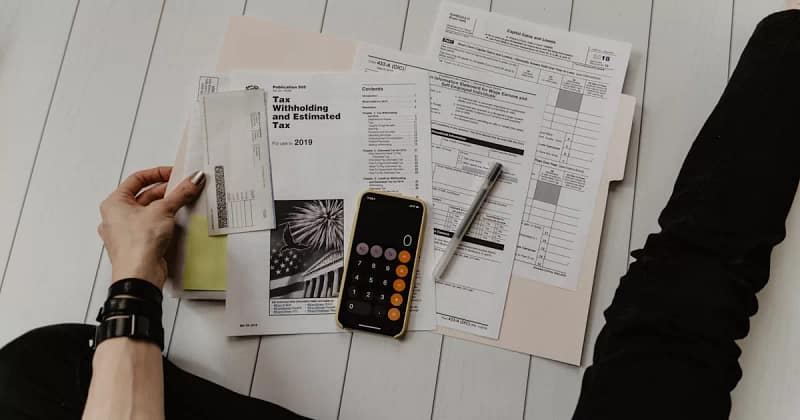
The Commercial Transaction Lifecycle: Key Documentation Stages
Commercial real estate purchases in Florida follow a structured process. Transaction Coordinators supporting their brokers or principals must recognize the document requirements at each stage. From initial interest to closing, organization is the key differentiator between a smooth workflow and costly delays. For next-level support, explore our resources on AI-driven transaction coordination support.
Get Your Free Demo
See how ReBillion can streamline your real estate business.
Stage 1: Initial Intent and Negotiation Documents
The process typically begins with the Letter of Intent (LOI). While non-binding, this document sets the stage for financial terms, deadlines, and contingencies. VAs should ensure this is securely stored in the CRM and that key dates are logged immediately for tracking.
Stage 2: Executing the Purchase and Sale Agreement (PSA)
The PSA is the legally binding contract and is the most critical of the Florida commercial real estate documents. This document is significantly more complex than residential agreements, often involving detailed terms regarding environmental assessments, zoning requirements, and financing contingencies specific to commercial use. Accuracy here is non-negotiable.
How Do Commercial Paperwork Requirements Differ from Residential?
Commercial transactions require documents focused on income verification and liability mitigation, rather than just occupancy disclosures. The complexity often necessitates specialized expertise, especially when reviewing existing tenant leases and financial structures. For example, residential deals rarely involve a comprehensive Phase I Environmental Site Assessment.
Due Diligence Documentation: Verifying the Asset’s Value
During the due diligence period, VAs must manage and track an influx of complex reports:
- Rent Rolls and Estoppel Certificates: Critical for verifying the property’s income stream and tenant status before closing.
- Property Operating Statements: Detailed financial history of the property (T-12, or trailing 12 months).
- Existing Leases: Especially important in retail or office acquisitions where understanding Triple Net (NNN) lease structures and renewal options directly impacts valuation.
- Environmental Assessments (Phase I ESA): Required to mitigate risks associated with hazardous materials or soil contamination.
What Are the 5 Critical Steps for Commercial Title Document Review?
The title commitment and associated surveys are central to mitigating risk. Here are the five key steps your Transaction Coordinator should execute:
- Order the Commitment: Immediately upon contract execution.
- Review Schedule B Exceptions: Identify all liens, easements, and encumbrances listed against the property.
- Coordinate Survey Review: Ensure the survey matches the legal description and reveals no unexpected encroachments.
- Clear Curable Defects: Work with counsel and title to remove items like old mortgages or judgment liens.
- Ensure Entity Authority: Verify the purchasing entity (LLC, Corporation) is in good standing according to Florida statute guidelines for commercial transactions.
VA Actionable Checklist: Mastering Document Management
Effective document handling is what elevates a supportive role to a strategic asset. Use these tips to optimize your workflow and prepare for seamless closing:
- Standardized Naming: Implement a standardized naming convention for all digital files (e.g.,
DOC_PSA_SellerName_Date). - Digital Signature Audits: Utilize DocuSign or similar platforms for all signature-required documents to maintain an auditable trail.
- Secure Storage: Maintain separate, secure folders for sensitive financial data versus transactional paperwork.
- Proactive Disclosures: Proactively request seller disclosures well in advance of the due diligence deadline.
- Automate Deadlines: Establish automated reminders in your CRM for all critical document submission deadlines.
Frequently Asked Questions (FAQ)
What is the importance of the estoppel certificate in Florida commercial deals?
The estoppel certificate verifies the current status of a tenant’s lease directly with the tenant, confirming rent amounts, security deposits, and lease terms. This document is vital because it protects the buyer by overriding existing lease documentation if discrepancies are found, confirming the property’s stated income stream.
How can ReBillion.ai simplify tracking complex commercial financing documents?
ReBillion.ai uses machine learning to automatically track deadlines and flag required commercial documentation, such as proof of funds, entity organization charts, and financing commitments, reducing the time spent on manual automated compliance audit by up to 80%. This ensures all parties submit required documents on time for underwriting.
Why is the organizational structure document package so important?
Lenders and title companies require detailed organizational documentation, such as Articles of Organization and Operating Agreements, to confirm the legal entity signing the contract has the proper authority to bind the company to the agreement. This compliance step is critical and often delays closing if documents are incomplete. If you need assistance structuring your compliance documentation, contact our strategy team.
Mastering the complexities of Florida commercial real estate documents transforms you from an administrative assistant to an indispensable transaction manager. By applying rigorous organizational skills and understanding the legal implications of each document, you ensure your client’s path to ownership is clear and compliant.
This article is for informational purposes only and does not constitute legal advice. Consult a qualified professional.
ReBillion.ai empowers real estate professionals with AI-driven transaction coordination. Visit ReBillion.ai to optimize your brokerage today.

Written by Rahul J
Content specialist at ReBillion.ai covering real estate transaction coordination, AI tools, and industry best practices.