
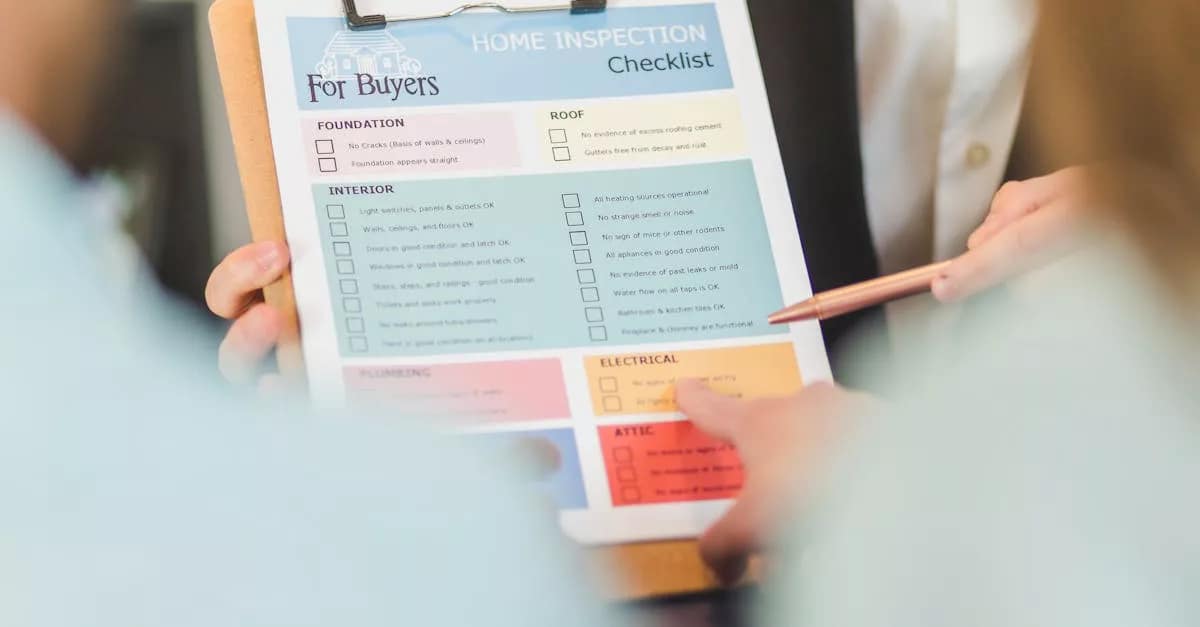
The Essential Closing Checklist for Buying a House in Arizona
For Virtual Assistants (VAs) supporting high-volume U.S. real estate professionals, mastering the Closing checklist for buying a house in Arizona is critical for operational excellence. Arizona’s market, governed by strict Arizona Association of Realtors (AAR) contracts, unique escrow processes, and specific disclosure requirements, demands absolute precision. By standardizing these procedures, VAs ensure timely closings and maintain critical client trust.
Quick Answer: What is the Arizona Real Estate Closing Checklist?
The Closing checklist for buying a house in Arizona refers to the mandatory sequence of actions and deadlines defined by the AAR contract (Arizona Association of Realtors). In U.S. real estate, it helps Transaction Coordinators and VAs by standardizing document verification, managing crucial contingency periods, and ensuring legal adherence to state law, saving valuable agent time. Implementing this automated workflow reduces the risk of missed deadlines and contract cancellations, which can be disastrous for a brokerage.
Why Structure is Key: Navigating AAR Contract Deadlines
The Arizona closing process hinges on adhering strictly to the AAR Residential Resale Real Estate Purchase Contract. VAs must diligently track deadlines for several crucial items:
- Loan Commitment Letters: Typically 20-30 days from contract acceptance.
- Appraisal Review Periods: Must be reviewed and addressed quickly if the value falls short.
- Mandatory 3-Day Review Period: Required for all seller disclosures, including the Residential Property Disclosure Statement (SPDS).
Missing any of these compliance checkpoints can delay funding or, critically, invalidate the contract. For VAs looking to optimize their workflow, robust deadline tracking is the first step toward advanced automation.
What is the VA’s Primary Role During the Final Walkthrough Confirmation?
The VA’s primary administrative role during the final walkthrough is scheduling confirmation with all relevant parties—buyer, agent, and seller—and meticulously documenting confirmation via email chains and CRM notes. This detailed documentation serves as crucial evidence should any post-closing disputes arise regarding the property’s condition at the time of acceptance. They must confirm the buyer has reviewed the property’s condition per the contract terms, referencing the inspection period response.
Practical Application: Use Cases for VA Support in Arizona Escrow
Understanding the nuances of Arizona property tax proration and escrow instructions allows VAs to proactively gather necessary figures from the title company well in advance. This proactive approach prevents last-minute scrambles that often derail closing timelines.
Here are critical scenarios where a VA provides specialized support:
- Scenario 1: Contingency Deadline Management: A VA monitors the 10-day inspection period defined in the contract, logging all repair requests and counter-offers within the CRM, flagging the agent 48 hours before the deadline expires.
- Scenario 2: Utility Transfer Coordination: The VA compiles a standardized list of local utility providers specific to the transaction county (e.g., Maricopa, Pima) and ensures the buyer has contact information a week before closing.
- Scenario 3: Final Document Verification: Before the closing agent prepares the final CD (Closing Disclosure), the VA cross-references the initial loan estimate against the preliminary settlement statement to catch discrepancies early, minimizing last-minute friction with the lender.
For more details on Arizona real estate laws and agent disclosure requirements, consult the Arizona Department of Real Estate (ADRE) website.
Actionable VA Tips for Streamlining Arizona Closings
By rigorously following a structured Closing checklist for buying a house in Arizona, VAs can significantly reduce agent oversight, saving 15-25% of administrative time per file.
- Implement automated, escalating reminders in your CRM (e.g., Follow Up Boss) for key contract dates, such as appraisal deadlines and loan lock expiration.
- Standardize folder structures for digital signature packages (DocuSign/DotLoop) specific to AZ compliance requirements (e.g., separating the Buyer’s Inspection Notice and Seller’s Response from general disclosures).
- Maintain a master list of trusted Arizona Title and Escrow officers and their current contact details.
- Develop templated emails for requesting mandatory HOA/Condo documents from the seller’s agent.
- Immediately delegate and track the physical document scanning/uploading to a centralized digital repository upon receipt.
How do VAs Handle Earnest Money Deposits in Arizona Transactions?
VAs ensure the earnest money deposit receipt is properly executed and immediately deposited into the title or escrow company’s trust account as stipulated in the purchase agreement. The VA tracks the deposit confirmation number and updates the transaction file accordingly, confirming adherence to Arizona’s strict escrow requirements. Earnest money is typically non-refundable after all contingencies are waived.
Can a VA Prepare the Initial Closing Disclosure Draft?
While VAs cannot legally issue or sign the final Closing Disclosure (CD), they can compile all necessary data points—lender fees, title charges, prorations—from preliminary reports and draft a pre-disclosure review document for the Transaction Coordinator or Broker’s final approval. This preparatory work saves valuable hours when the closing agent is ready to finalize the transaction.
ReBillion.ai: Elevating Your Transaction Coordination
In conclusion, proficiency with the Closing checklist for buying a house in Arizona elevates a Virtual Assistant from a mere administrative assistant to a vital operational partner. Establishing these systematic approaches guarantees smooth closings and enhances your value proposition to U.S. real estate investors and agents. These detailed workflows are the foundation for the AI-driven automation tools we offer.
FAQ
- How long does the escrow period typically last in Arizona? The standard escrow period in Arizona is generally 30 to 45 days, though cash transactions can often close in as little as 10 days if title review is swift.
- What is the most common reason for closing delays in Arizona? Appraisal issues, followed by lender delays in finalizing the commitment letter, are the most common causes of closing delays in the Arizona market.
- How can ReBillion.ai help automate AAR compliance tracking? ReBillion.ai integrates directly with your CRM and digital contract tools to automatically pull AAR deadline dates, triggering alerts and generating compliance audit logs, reducing manual tracking overhead by up to 80%.
This article is for informational purposes only and does not constitute legal advice. Consult a qualified professional.
ReBillion.ai empowers real estate professionals with AI-driven transaction coordination. Visit ReBillion.ai to optimize your brokerage today.
Leave a Reply